The Federal Voting Rights Act: Safeguarding Democracy
Date: 2024-10-22
Category: Law Helper
The Federal Voting Rights Act (VRA) is a landmark piece of American legislation designed to protect and enforce the voting rights of citizens, particularly those who have historically been disenfranchised. As an essential pillar of democracy, the VRA has played a crucial role in shaping the electoral landscape of the United States. This blog post delves into the history, significance, and ongoing relevance of the Act, while also examining its challenges and the path forward.
A Historical Overview
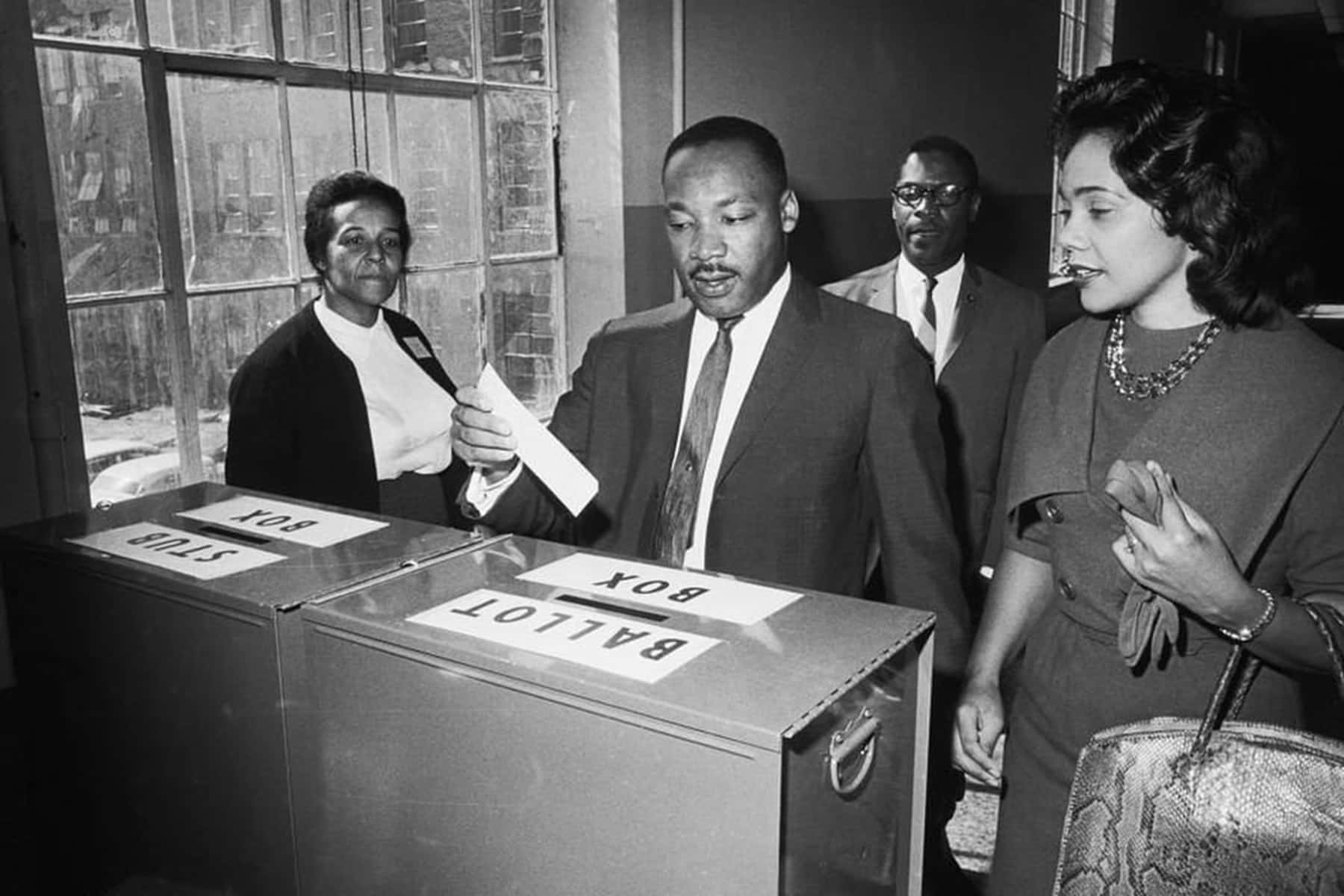
The Precursor to Change
Prior to the enactment of the VRA in 1965, African Americans, especially in the Southern states, faced numerous barriers to voting. These included literacy tests, poll taxes, and other discriminatory practices that effectively suppressed their electoral participation. The Civil Rights Movement of the 1960s, marked by significant events such as the Selma to Montgomery marches, highlighted the need for comprehensive voting rights legislation.
The Passage of the Voting Rights Act of 1965
On August 6, 1965, President Lyndon B. Johnson signed the Voting Rights Act into law. The VRA aimed to eliminate racial discrimination in voting by prohibiting literacy tests and authorizing federal oversight of voter registration in areas where discriminatory practices were prevalent. Section 5 of the Act required jurisdictions with significant histories of discrimination to obtain federal approval before making changes to their voting laws or practices. To get more information about federal attorney for South South Carolina visit our website
Key Provisions of the Voting Rights Act
Section 2: The Heart of the Act
Section 2 of the VRA prohibits voting practices or procedures that discriminate on the basis of race, color, or membership in a language minority group. It applies nationwide and has been the basis for numerous lawsuits aimed at dismantling discriminatory practices.
Section 4: Coverage Formula
Originally, Section 4 provided a coverage formula to determine which jurisdictions would be subject to preclearance under Section 5. This formula was based on historical patterns of discrimination and was a critical tool in identifying areas requiring federal oversight.
Section 5: Preclearance
The preclearance provision was designed to prevent discriminatory laws before they could affect elections. Jurisdictions covered under Section 4 had to obtain approval from the Justice Department or a federal court before implementing changes to voting laws.
The Impact of the Voting Rights Act
Expansion of the Electorate
The VRA significantly increased voter registration and participation among African Americans and other minority groups. The Act's enforcement mechanisms ensured that discriminatory barriers were dismantled, allowing millions of citizens to exercise their right to vote.
Legal Precedents and Litigation
The VRA has been instrumental in shaping legal precedents that protect voting rights. Numerous court cases have relied on its provisions to challenge discriminatory practices, leading to important rulings that have reinforced its principles.
Challenges and Controversies
Shelby County v. Holder
In 2013, the Supreme Court decision in Shelby County v. Holder invalidated the coverage formula in Section 4, effectively nullifying the preclearance requirement of Section 5. This ruling sparked significant controversy, as many argued it weakened the VRA's ability to prevent discriminatory practices.
Ongoing Discriminatory Practices
Despite the progress made, challenges persist. Voter ID laws, gerrymandering, and purging of voter rolls are among the modern tactics used to suppress minority voting. These practices continue to test the limits of the VRA and highlight the need for vigilant enforcement.
The Future of Voting Rights Protection
Legislative Efforts to Strengthen the VRA
In response to perceived weakening of the VRA, there have been various legislative efforts to restore and strengthen its provisions. Proposals such as the John Lewis Voting Rights Advancement Act aim to reinstate preclearance and update the coverage formula, ensuring robust protection against voting discrimination.
The Role of Advocacy and Civic Engagement
Grassroots movements and advocacy organizations play a crucial role in defending voting rights. By raising awareness, mobilizing voters, and challenging discriminatory practices in court, these groups contribute to the ongoing struggle for electoral equality.
Conclusion
The Federal Voting Rights Act remains a cornerstone of American democracy, embodying the nation's commitment to equality and justice. While it has achieved significant victories in expanding and protecting the right to vote, the challenges it faces underscore the necessity of continued vigilance and advocacy. As the landscape of voting rights evolves, the VRA's legacy and principles serve as a guide for ensuring a fair and inclusive democratic process for all citizens.